 October in the UK is the harvest month; it is also about winter garden preparation and planting for spring.
Whilst the garden will look lovely this month, and there is plenty of maintenance to do, as the days grow shorter, and the rain a little more persistent, thoughts must turn to protecting the garden from the first frosts and colder weather and looking to the future and next spring.
Flower garden
October is a month when many blooms are still looking beautiful, especially if the first frost has not arrived. Magnificent Japanese anemones will provide structure, height and glorious flowers late into the year, as should the myriads of fuchsias. Hardy varieties such as Tom Thumb and Lady Thumb are dwarf varieties that grow no bigger than 30-45cm but flower non-stop until the first frosts. When they do start to die down, mulch around the base with compost or bark and leave the plants alone as they will come again next year.
Protect any tender plants like dahlias by digging up the tubers and storing them in a frost-free, dry spot to replant again next year.
Continue to plant spring bulbs like hyacinths, daffodils, tulips and crocuses for a fantastic show next spring.
Fruit and vegetable plot
October is the ideal time for planting bare-root fruit trees. Apples, cherries, plums, and pears all come as bare-root trees which are often cheap to buy because they are young, dormant trees specially grown in fields and dug up without any soil on their roots making them very quick to become established once planted. ‘Discovery’ is a popular variety of apple to plant this way, ‘Victoria’ a classic heavy cropping and delicious plum, and ‘Morello’ a perfect cherry if you have north-facing walls or shade.
October is the perfect month to continue sowing your winter lettuce, broad beans and overwintering peas.
Protecting and tidying
As the year continues onward, protecting and tidying become more important. All tender or exotic plants need to be moved into a greenhouse, conservatory, or frost-free shed before the first frost hits. And make sure you don’t forget to make sure the greenhouse, or any cold frames are winter ready.
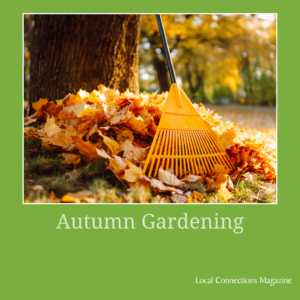
Autumn gales can severely damage any climbing plants like roses so lightly trim them to prevent “wind-rock” damage. Continue to regularly rake up fallen leaves from your lawn so they don’t block out light and aerate the soil if it’s prone to waterlogging.
If you do have somewhere that is prone to waterlogging, lift your container plants onto “pot feet”, bricks or stones to prevent them from sitting in cold, waterlogged soil all winter.
They might seem like a nuisance, but you can make the most of your fallen leaves by turning them into a nutritious mulch. Simply gather up the leaves and pack them into black bin bags with a few holes poked in the sides. Then, leave them in a quiet corner of your garden for anything up to a year and it will create a highly nutritious mulch for your garden.